Prices
  Request a call back
  Moving Guides
  Free quote
 Coldharbour Lane removals for Brixton flats SW9
Posted on 04/07/2026
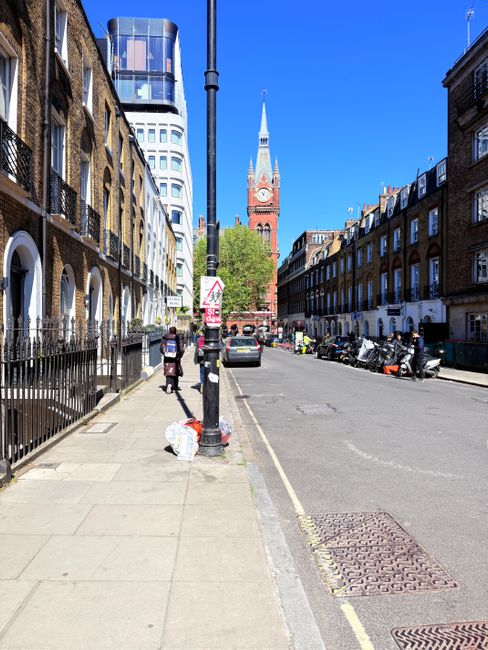
Coldharbour Lane removals for Brixton flats SW9: a practical guide for smooth flat moves
If you are planning Coldharbour Lane removals for Brixton flats SW9, you already know this is not always a simple "load the van and go" job. Flats in this part of Brixton can come with tight stairwells, awkward parking, busy road conditions, and neighbours who would very much like the move to be quick and quiet. Fair enough.
This guide walks you through the real-world side of moving a flat on or near Coldharbour Lane: what makes it different, how the process usually works, where people get caught out, and how to prepare without making the whole thing harder than it needs to be. You will also find a checklist, a comparison table, and a few practical pointers that should save time on moving day.
Why Coldharbour Lane removals for Brixton flats SW9 matters
Coldharbour Lane sits in a lively, well-connected part of Brixton, which is brilliant for daily life and less brilliant if you turn up on moving day with no plan. Flats here often mean shared entrances, limited lift access, narrow internal corridors, and time-sensitive parking. Add in the usual London rhythm of buses, deliveries, pedestrians, and busy side streets, and you get a move that rewards preparation.
That is why a flat removal in this area is less about brute strength and more about sequencing. Which items come out first? Where will the van wait? Can the sofa clear the stair bend without a wobble? These sound like small questions, but they decide whether the move feels calm or chaotic.
It also matters because Brixton flats attract all kinds of movers: first-time renters, shared households, families upsizing, people arriving from outside London, and people downsizing after years in the same place. Each one has different needs. A student with three boxes and a desk is a very different job from a third-floor flat with a king-size bed, bikes, and a wardrobe that looked easier to assemble than it ever was.
For anyone comparing options, it helps to understand the wider local picture too. A useful starting point is about Brixton and the way the neighbourhood works day to day, especially if you are new to the area. If you are also weighing up movers, a read through what to look for in Brixton removal companies can save a bit of stress later.
Key point: in SW9, the difference between a smooth flat move and a frustrating one is usually planning, access, and the right level of vehicle support.
How Coldharbour Lane removals for Brixton flats SW9 works
Most flat removals near Coldharbour Lane follow a similar pattern, though the exact setup depends on your building, your volume of belongings, and the move date. In practical terms, the process usually starts with an inventory and access check. Then comes packing, loading, transport, and final placement at the new property.
The tricky bit is access. A ground-floor flat with easy roadside loading is straightforward enough. A top-floor flat with no lift, a shared entrance, and a narrow hall is another story. The move may need a smaller vehicle, a man and van setup, or a team that can split loads sensibly. That is where services like flat removals in Brixton and man and van support in Brixton can be especially useful.
Here is the usual flow in plain English:
- Assess the flat. Count rooms, stairs, awkward items, and any access limits.
- Plan the route. Think about parking, building entry, and where the van can stop.
- Pack by priority. Essentials, fragile items, and heavy furniture should not all be mixed together.
- Protect the property. Corners, bannisters, and floor surfaces need care during movement.
- Load in the right order. Heavy items, then boxed goods, then delicate pieces with proper cushioning.
- Unpack the essentials first. Beds, kettle, phone charger, toiletries. The boring bits become heroic pretty quickly.
Sometimes people assume a small flat means a small amount of work. Not always. One compact SW9 flat can still contain awkward furniture, wall-mounted items, musical instruments, or a suspicious number of books. And books, by the way, are sneakily heavy. Very rude of them.
If your move includes furniture that needs careful handling, you may also want to look at furniture removals in Brixton. And if you are planning to box everything yourself, packing and boxes guidance for Brixton moves is worth reviewing before tape starts flying everywhere.
Key benefits and practical advantages
When done properly, Coldharbour Lane flat removals give you more than just transport. They give you control, time savings, and a much lower chance of damage. That matters more than people realise, especially when a move is happening around work, study, tenancy deadlines, or keys being handed over at awkward times.
The main advantages are fairly straightforward:
- Less physical strain: carrying furniture down several flights of stairs is nobody's idea of a lovely afternoon.
- Better protection for your things: proper wrapping and loading reduce scuffs, dents, and breakages.
- Quicker turnaround: a well-sequenced move tends to finish earlier, which is especially useful if you are working to a narrow key window.
- Lower building disruption: shared hallways and neighbours benefit from a move that is tidy and efficient.
- Fewer last-minute surprises: access checks expose problems before the van arrives.
There is also a hidden benefit: decision fatigue drops dramatically when you have a proper plan. You stop wondering whether the mirror should go in the blanket box or the clothes box, and start getting on with the move. Honestly, that alone can feel like a relief.
For people who need flexibility rather than a full-scale move, a same-day removals option in Brixton or a leaner removal van service can be the right fit. Not every move needs the same footprint.
Who this is for and when it makes sense
Coldharbour Lane removals for Brixton flats SW9 is a strong fit for anyone moving within the area or into the wider SW9 neighbourhood who needs a practical, localised approach. It is especially useful if you live in a flat rather than a house, because flats often bring access constraints that more suburban moves do not.
This kind of move makes sense for:
- tenants leaving a rented flat at the end of a lease
- buyers moving into their first Brixton property
- students heading into shared accommodation
- young professionals moving between apartments
- households downsizing to a smaller flat
- people who need help with bulky items only, rather than a full household move
It is also a good choice if you want the move to be less disruptive to work or family life. If you are juggling children, meetings, or a same-day check-out, efficiency becomes the real win. In our experience, people are usually not just moving furniture; they are moving schedules, emotions, and a surprising amount of admin.
For students in particular, it can be worth comparing a more tailored approach against student removals in Brixton. If your move is smaller and you just need flexible lifting and transport help, man with a van in Brixton may be the better route.
Step-by-step guidance
Here is a clean way to organise the move without making it feel like a military operation. You do not need perfection. You need order.
1) Start with access, not boxes
Before packing fully, check how the team or vehicle will access the property. Can a van park close enough? Is there a lift? Are there timed loading restrictions? Are the staircases narrow or awkward? If the answer to any of those is "yes", note it early. That way, the moving plan is built around the building rather than the other way round.
2) Separate essentials from everything else
Set aside a small bag or box for essentials: keys, documents, chargers, medication, toiletries, snacks, a kettle, toilet roll, and a change of clothes. It sounds obvious until you are standing in an empty kitchen wondering where the mug with the tea bags went.
3) Pack room by room
This is one of the simplest ways to stay sane. Label boxes by room and category, not just by "misc". "Kitchen - glassware", "Bedroom - bedding", "Study - cables" is far more helpful than a vague scribble that makes sense only to you at 11:45 p.m.
4) Protect awkward items properly
Flat-screen TVs, mirrors, framed art, and tall lamps need special attention. So do mattresses, which are easy to snag on corners and bannisters. If you have oversized furniture, it may need to be dismantled before moving day. Not glamorous, but very sensible.
5) Confirm timing and contact details
Moving day tends to move quickly once it starts. Make sure the person on site has phone access, the correct entry details, and any key handover arrangements. A five-minute delay can become a half-hour delay if no one can get into the building.
6) Do a final sweep
Before the van departs, check cupboards, window ledges, under beds, behind doors, and inside the fridge. People leave surprisingly odd things behind. One forgotten charger is annoying; one missed document can be much worse.
If you want a fuller view of how the wider moving process fits together, the general removal services overview is a useful place to compare what is typically included.
Expert tips for better results
These are the little things that make a move feel easier, especially in a busy area like Coldharbour Lane.
- Book around the building, not just the calendar. If your landlord, concierge, or letting agent has access rules, make sure the moving slot fits them.
- Keep heavy items small. A large box full of books looks tidy until someone has to carry it upstairs.
- Label fragile boxes on more than one side. One label can disappear under tape, a blanket, or a stack of other boxes.
- Measure lifts and doorways. If a sofa can't turn the corner, you want to know before the team is mid-lift.
- Prepare for weather. A wet London morning means slippery steps and damp cardboard. Not ideal. Have covers ready.
- Put screws and fittings in a small sealed bag. Tape that bag to the furniture it belongs to. Future-you will be grateful.
One practical truth: the best movers are often the ones who ask annoying questions early. How many flights? Any restricted parking? Any fragile items? It might feel fussy at the time, but those questions usually save the day. Good, boring, useful stuff.
If you are moving anything especially delicate, such as upright or digital musical instruments, take a look at piano removals in Brixton. Those jobs need a more specialist approach than a standard flat move, and nobody wants a piano balanced on wishful thinking.
![A professional mover from Brixton Removals is inside a bright, empty room with white walls and light wooden flooring, preparing for a home relocation. He is wearing a dark blue uniform with a company logo on the chest and is holding a medium-sized cardboard box wrapped with red tape in his right hand. Two additional cardboard boxes, one with black tape on the side, are placed on the floor nearby, indicating packing and moving preparations. The room features a large arched window with natural light streaming in, illuminating the scene. The mover's posture suggests he is about to load the box onto a trolley or transport it through the doorway for furniture transport or loading into a removal van. The setting captures the early stages of packing and furniture transport within a residential environment, aligned with [PAGE_TITLE] and the services offered by [COMPANY_NAME] for efficient house removals in Brixton.](/pub/blogphoto/coldharbour-lane-removals-for-brixton-flats-sw92.jpg)
Common mistakes to avoid
Most moving problems are predictable, which is annoying, because that means they are usually preventable. Here are the repeat offenders.
- Underestimating access problems. A van may be fine on paper, but useless if it cannot park where it needs to.
- Packing too late. Last-minute packing tends to produce weak boxes, poor labels, and missing items.
- Mixing essentials with everything else. Then you spend the first night hunting for bedding, chargers, and the kettle.
- Using oversized boxes for heavy items. This is how backs and box bottoms both give up.
- Forgetting building rules. Some flats have limits on moving hours or require advance notice. Check early.
- Leaving clearance too tight. Stairwells, doorframes, and hallway corners need breathing room.
There is another mistake that is less obvious: not setting realistic expectations. Flat moves in Brixton can be quick, but they are rarely friction-free by magic. A bit of patience helps. So does tea. Let's be honest, tea helps most things.
Before you agree terms with any provider, it is sensible to review the terms and conditions and understand what is included, what is not, and how timing or access issues are handled. Small print is not exciting, but it matters.
Tools, resources and recommendations
You do not need fancy equipment for a successful move, just the right basics and a clear plan.
Useful packing tools
- sturdy cardboard boxes in mixed sizes
- strong packing tape and a tape gun if you have one
- bubble wrap or paper for fragile items
- marker pens for clear labels
- zip bags for screws, fixings, and remotes
- blankets or covers for furniture protection
Useful planning resources
- your tenancy agreement or completion paperwork
- building access instructions
- an inventory of items going and items staying
- notes about parking, loading bays, or building restrictions
- contact numbers for the moving day team and the property manager
For practical budgeting, pricing and quotes information can help you understand how moving jobs are usually scoped. If you are choosing between a smaller helper vehicle and a fuller service, the services overview is worth a look because it frames the options in plain language.
People moving out of a flat often forget one helpful thing: recycling. Cardboard, old packing materials, and broken-down boxes pile up fast. If sustainability matters to you, the company's recycling and sustainability approach is worth checking.
Law, compliance, standards, and best practice
Without getting too technical, flat removals in SW9 should be carried out in a way that protects people, property, and the surrounding building. That means sensible lifting practice, careful handling of stairs and corridors, and respect for any local building rules or tenancy obligations.
In UK moving work, the main expectations are usually straightforward: safe lifting, proper vehicle loading, reasonable care with belongings, and honest communication about access or timing limits. If a building has restrictions, those should be respected rather than improvised around. That is especially true in shared residential blocks where noise, damage, or obstruction can quickly become a problem.
It is also wise to check that the removals provider treats payment, insurance, and complaints information clearly. Those may sound like admin pages, but they tell you how the business works. A provider that explains its insurance and safety approach is usually taking risk seriously. Likewise, transparent payment and security details are reassuring, especially before a moving date is locked in.
For many customers, good practice is really just common sense done properly: protect the building, protect the goods, and do not promise what cannot be delivered. That is the standard you want.

Options, methods, or comparison table
If you are deciding how to approach your move, it helps to compare the main options rather than picking the first thing that sounds convenient.
| Option | Best for | Strengths | Trade-offs |
|---|---|---|---|
| Full flat removal service | Larger flat moves, multiple rooms, heavier furniture | More support, better for complex access, less lifting for you | More coordination needed, usually the most involved option |
| Man and van | Smaller moves, partial loads, flexible timing | Simple, practical, often ideal for a few bulky items | Less capacity than a larger removal setup |
| Removal van only | People who have packing under control and need transport | Good for straightforward jobs where labour needs are light | You may still need help with carrying and loading |
| Same-day support | Urgent moves, last-minute tenancy changes, short notice | Fast response, useful when time is tight | Less room for margin if access or parking is difficult |
As a rule of thumb, the more stairs, furniture, and time pressure you have, the more valuable proper removals support becomes. For lighter jobs, a smaller setup can be enough. There is no prize for overcomplicating it.
If you are comparing providers, you may also find it useful to review removals in Brixton alongside the more focused flat-move options, because the service structure can help you decide what is actually necessary.
Case study or real-world example
Here is a realistic example based on the kind of move people often make on or near Coldharbour Lane.
A couple moving out of a second-floor SW9 flat had a sofa, a bed frame, two wardrobes, a dining table, several boxes of books, and a couple of fragile mirrors. They assumed it would be a half-day job because the flat was small. In practice, the narrow staircase and tight turn at the landing made the sofa the real challenge, not the amount of stuff.
What helped? They packed early, dismantled furniture the day before, set aside an essentials bag, and confirmed the van parking point in advance. That meant the actual move was steady rather than frantic. Nothing glamorous. No dramatic victory music. Just a calmer day, fewer knocks to the walls, and a lot less carrying back and forth.
The biggest lesson from that kind of move is simple: the floor plan matters as much as the item count. A compact flat with awkward access can take longer than a larger flat with easy entry. That catches people out all the time.
Practical checklist
Use this as a last-minute sanity check before moving day. Print it, screenshot it, scribble on it. Whatever works.
- Confirm moving date, time, and any handover window
- Check access instructions for the building
- Confirm parking or loading arrangements
- Measure any awkward furniture, doors, or stair turns
- Pack an essentials bag for the first 24 hours
- Label boxes by room and contents
- Wrap fragile items securely
- Dismantle furniture that will not fit through the route intact
- Keep important documents and keys with you
- Take photos of any existing damage in the property if needed
- Check the destination flat is ready to receive items
- Review the service details and any terms before confirming
Small reminder: if you are moving valuable or unusually heavy items, it is worth bringing that up early. Good movers do not mind specific questions; they prefer them. Much less drama that way.
Get a free quote today and see how much you can save.
Conclusion
Coldharbour Lane removals for Brixton flats SW9 are all about practical planning, clear communication, and matching the service to the shape of the job. The area is busy, the flats can be tricky, and the move can still be straightforward if you handle access, packing, and timing with a bit of care.
If you are moving soon, start with the basics: measure what matters, pack early, ask about access, and choose the level of help that fits your flat rather than the one that sounds biggest. That simple approach tends to work best. Not flashy, just effective.
And if you do it well, the whole thing becomes what a move should be: a busy day, sure, but one that ends with boxes in the right rooms, the kettle on, and a proper sense that you are home.